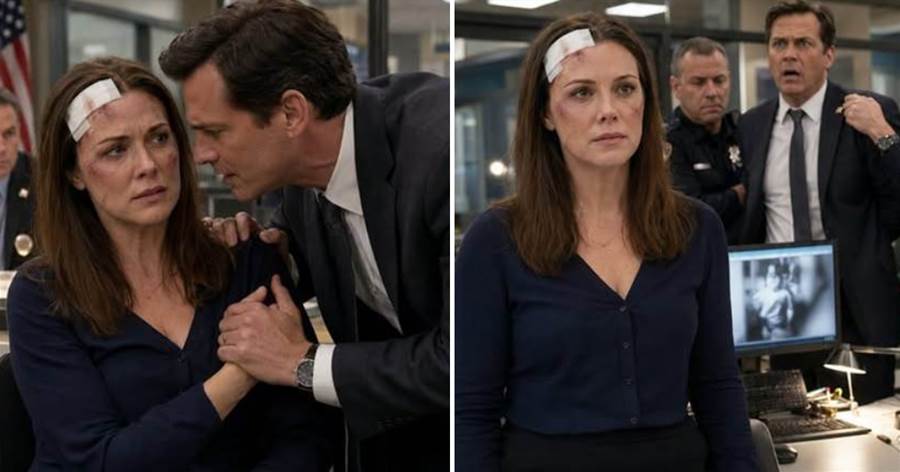
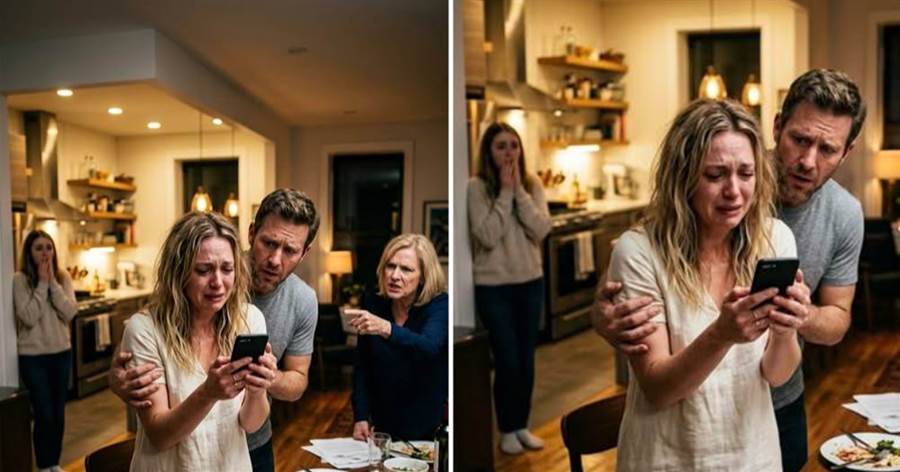
The pen slipped in my blood before Richard forced it back between my fingers. “Sign, Chloe,” he whispered, grinding his shoe against my side, “or your mother dies next.”
For ten years, Richard had called me fragile.
He said it when I left my cybersecurity job to care for my mother after the spinal stroke that paralyzed her. He said it when I stopped attending conferences, stopped wearing tailored suits, stopped answering calls from people whose names appeared in financial newspapers.
To him, sacrifice looked like weakness.
That night, our kitchen smelled of rosemary chicken, broken glass, and copper.
Richard stood over me in his white dress shirt, sleeves rolled neatly to the elbows, as if threatening his wife were simply another business transaction. The knife lay near the island. He kept calling the wound accidental, but accidents did not come with prepared insurance forms.
“Transfer the policy to my holding company,” he said.
“Then we call an ambulance.”
From the next room, my mother’s oxygen machine hummed softly.
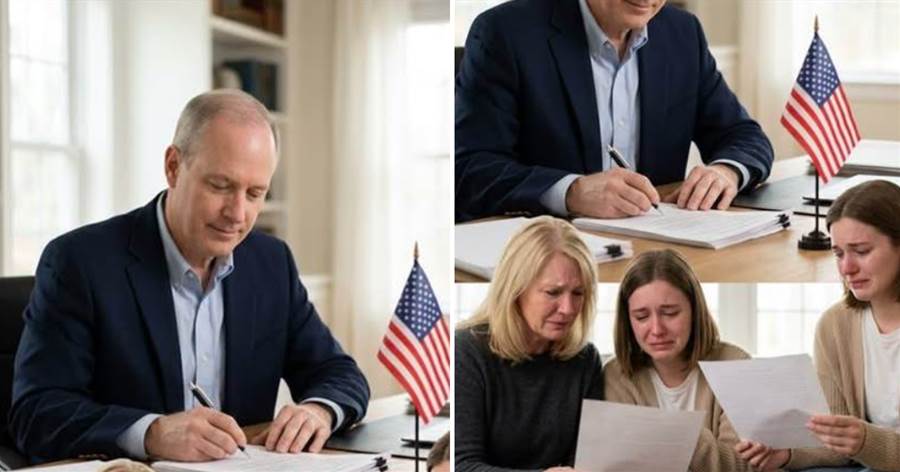
I stared at the document. Ten million dollars. Richard had increased the policy six months earlier, using a forged medical authorization. I knew because I had found the encrypted files on his private server three nights ago.
I had also found messages between him and our insurance broker, Martin Voss.
Richard mistook my silence for surrender.
The article is not finished. Click on the next page to continue.