The Man Who Came In Asking for Nothing
He walked into the ER at 2 a.m. on a Tuesday — no ambulance, no one with him. He told the triage nurse his chest felt "a little tight." He apologized for coming in. He said he'd waited three days to see if it would go away on its own.
The EKG told a different story. He'd been having a heart attack for 72 hours.
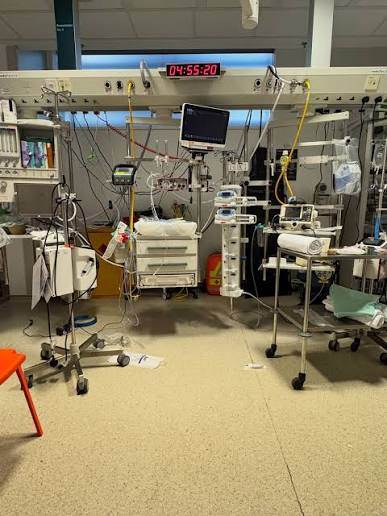
The cardiologist on call said it was one of the worst cases of delayed presentation she'd seen in years. The damage to his heart muscle was extensive and permanent. What should have been a 90-minute intervention had become a long-term management problem.
When asked why he waited so long, he said he didn't want to be a bother. He had no insurance. He didn't think he was "sick enough."
He survived. But he left the hospital with a heart that would never fully recover — not because medicine failed him, but because he didn't believe he deserved to ask for help soon enough.
Emergency physicians see this pattern constantly: the patient who apologizes for existing in their waiting room, who has been taught by economics, by culture, by a lifetime of managing alone — that their pain is an inconvenience.
The most dangerous words a person can say before a heart attack are:
You are never a bother. That is the only lesson here.
Watch: — real footage of cardiac emergencies and the people who survived by acting fast.