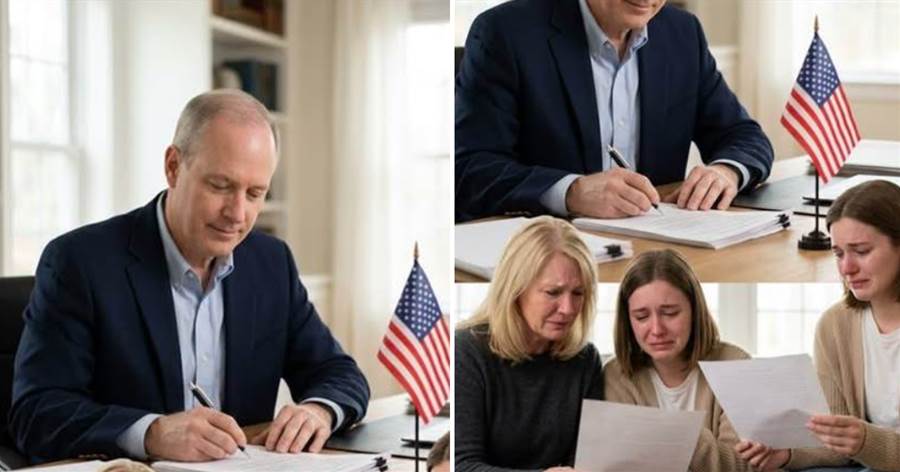
The first thing Charles Whitmore broke was my collarbone. The second was his own future, though he did not know it yet.
I sat at the defense table in D.C. Superior Court with my left arm strapped against my ribs and my right foot sealed inside a medical boot. Every breath sent pain through my shoulder. Across the aisle, Charles looked immaculate in a charcoal suit, silver cuff links, and the polished smile he had worn at my mother’s funeral.
To the gallery, he was a grieving widower defending himself against a greedy stepdaughter.
To me, he was the man who had turned fear into a household rule.
Since my mother’s death, he had frozen my accounts, removed me from the company, and fed reporters stories about my supposed breakdown. His friends called me ungrateful. His lawyers called me unstable. Charles called me alone at night and reminded me that powerful men rarely lose to injured women.
He had mistaken my recovery for surrender, never realizing I had spent every sleepless night tracing his money.
His attorney, Martin Voss, rose. “Your Honor, Mr. Whitmore has offered Ms. Hale a generous settlement of two hundred thousand dollars.”
My mother’s estate was worth nearly twenty-eight million.
Charles had transferred her town house, investments, and controlling interest in Hale Medical Logistics into shell companies before she died.
The article is not finished. Click on the next page to continue.